
From School Dropout to Certified Para Nurse: How Vocational Training Changed One Family’s Future
When Meena (name changed) dropped out of school in Class 10, life in M Ward of Mumbai offered few second chances.
Her father worked irregular shifts as a contract labourer at the docks. Her mother managed the household and took on occasional domestic work. With two younger siblings and rising living costs in the crowded neighbourhood, continuing education felt impossible. Meena began helping at home and taking small jobs — cleaning, running errands, whatever brought in a little money.
“I used to see other girls in school uniforms and feel I had already been left behind,” she says. “I thought that part of my life was finished.”
That began to change when a community mobiliser from DBM India visited her area.
A New Possibility
The mobiliser spoke about a free vocational training programme in healthcare support — a Para Nursing course that did not require Class 12 certificates. What it asked for was commitment and the willingness to learn.
Meena was unsure. Her parents were more hesitant. Questions from neighbours about a young girl working in a hospital added to the pressure. Still, the promise of a recognised certificate and the chance of steady work slowly convinced the family.
She enrolled.
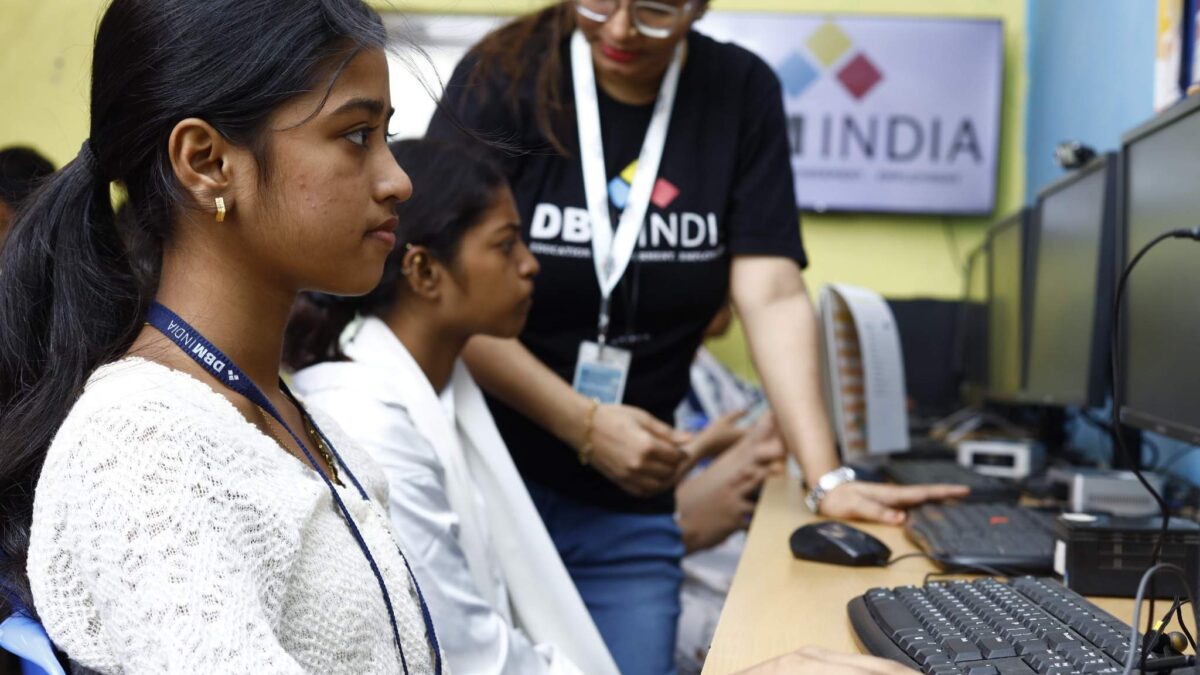
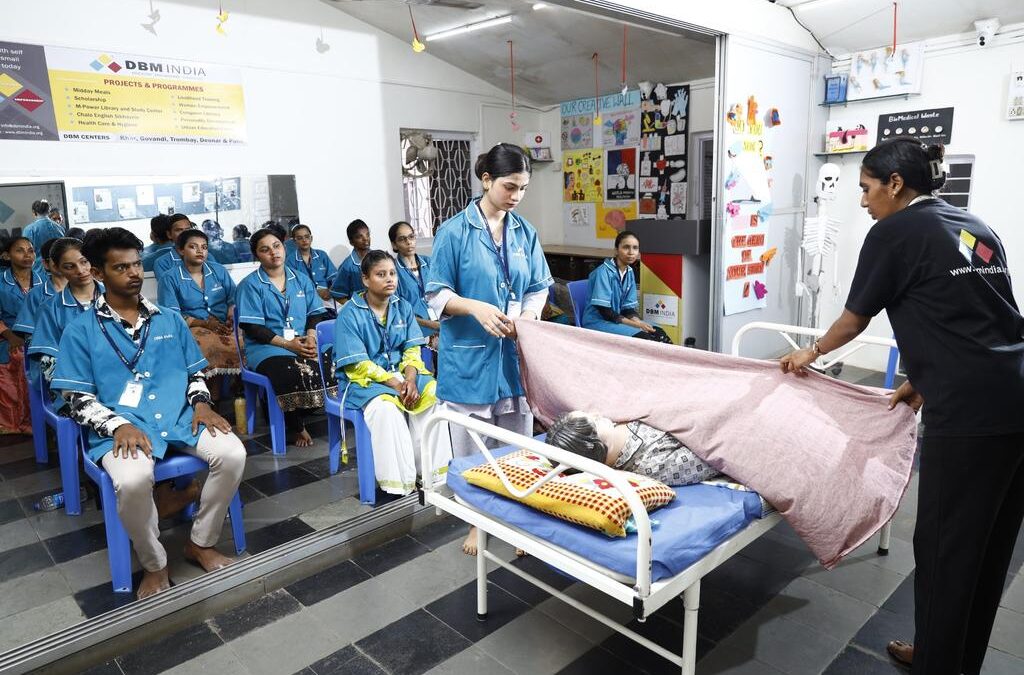
The months that followed were demanding. Morning theory classes, afternoon practical sessions — learning to check blood pressure, assist with basic patient care, follow hygiene protocols, and communicate with respect. Many ideas were completely new. Some days she returned home exhausted and questioned whether she could continue.
What kept her going was the steady support of trainers and the quiet hope that this path could change things for her family.
The Shift
Last year Meena received her certificate as a trained Para Nurse. Soon after, she found work at a private nursing home in the city. Her starting salary was ₹10,000 a month — more reliable than her father’s irregular daily wages.
The first salary changed the household.
She cleared a small family debt. She bought school supplies for her younger siblings. She began contributing regularly so her mother no longer needed to take on extra domestic work.
“When I gave my first salary to my father, he didn’t say much,” Meena recalls. “But I could see he was proud.”
A year later she earns ₹12,500. She has started a small savings account. Her younger sister has returned to school with a clearer message: both education and skills matter. Neighbours who once doubted her decision now ask how their daughters can join similar programmes.
More Than a Job
Meena’s story is not only about employment. It is about restored dignity and a shift in family dynamics. In many low-income households in M Ward, a young woman’s steady income is often the first reliable source of cash. It reduces pressure, delays distress decisions, and quietly raises the standing of girls within the family.
Her journey reflects a larger truth that DBM India sees repeatedly: when vocational training is accessible, practical, and linked to real jobs, it does not just skill one person — it rewrites the economic reality of an entire household.
Meena still lives in the same neighbourhood. She travels daily to the nursing home. On her weekly off, she talks to other young girls about the programme.
“I tell them that leaving school does not mean your future is over,” she says. “There is another path. It is not easy, but it is possible.”
For families like hers, that possibility is everything.