

Emerging Job Roles, Industry-Relevant Skills and Career Pathways After ITI & Vocational Courses
When Meena (name changed) dropped out of school in Class 10, life in M Ward of Mumbai offered few second chances.
Vocational training is no longer just about traditional trades. Across Mumbai and India, new job roles are opening up for young people who complete ITI and short-term skill courses — roles that demand practical ability more than long academic degrees.
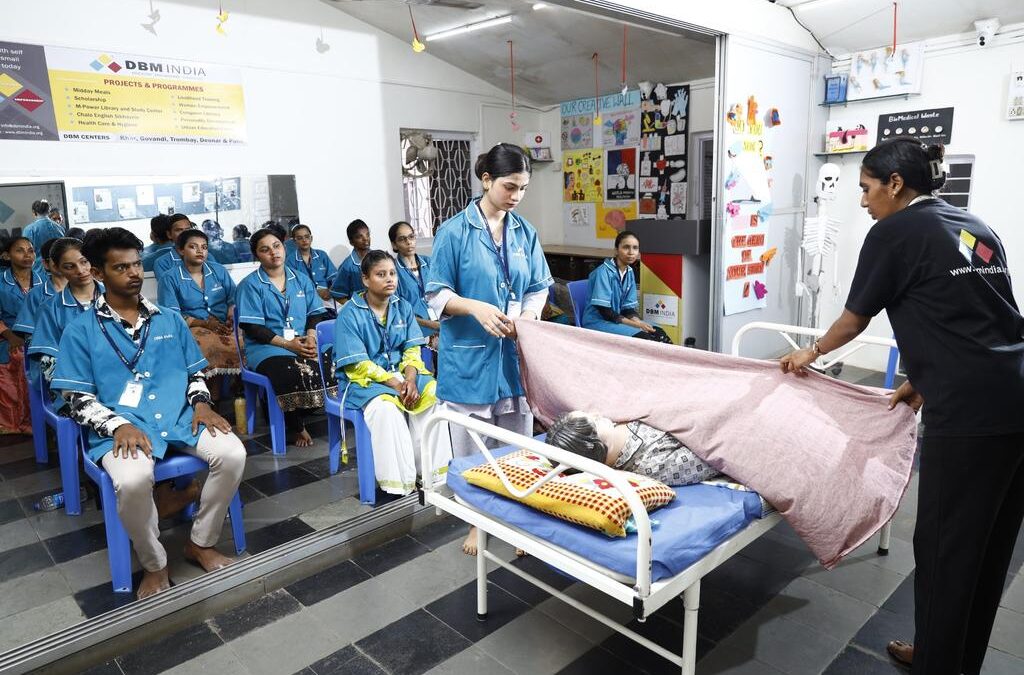
In M Ward and similar urban areas, industries are looking for work-ready candidates who can step into roles quickly. Healthcare support, logistics, retail, facility management, electrical maintenance, and digital services are among the fastest-growing areas. Para nursing, patient care assistance, warehouse operations, delivery coordination, retail sales, CCTV and basic networking technicians, and solar panel installation helpers are examples of roles that did not exist in large numbers a decade ago but are now in steady demand.
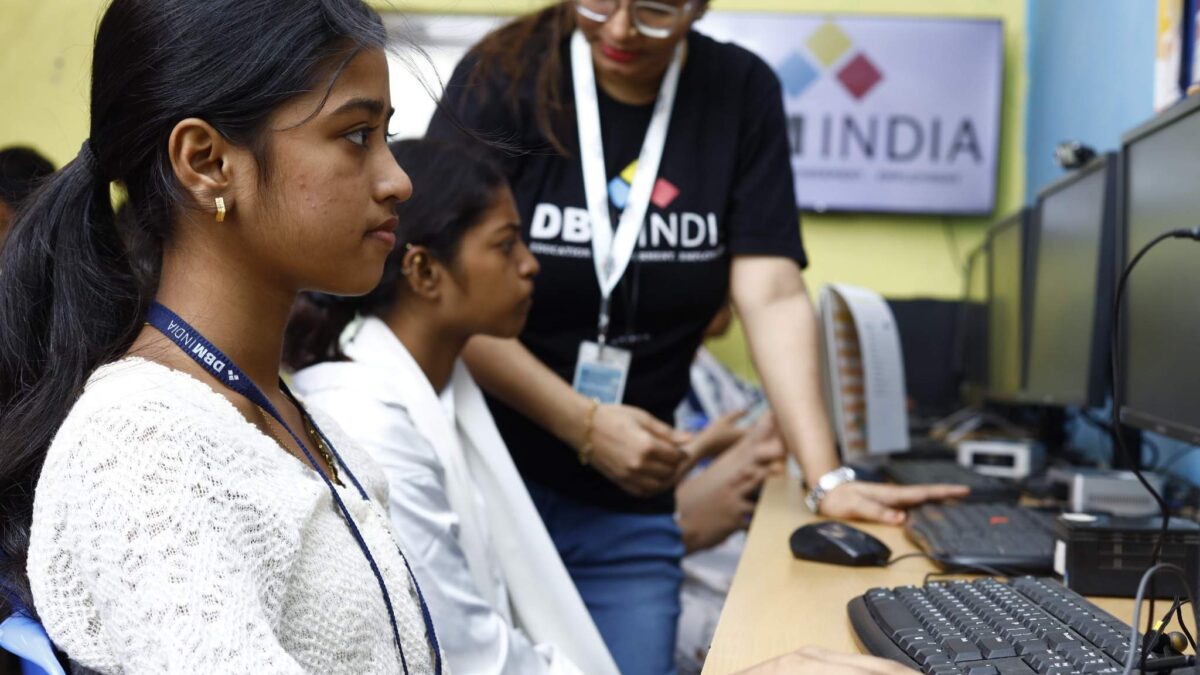
What makes a candidate stand out is not only the certificate. Employers increasingly value industry-relevant skills: the ability to follow standard operating procedures, communicate clearly with supervisors and customers, maintain workplace safety, use basic digital tools (smartphones, simple apps, WhatsApp for work), and show reliability. Soft skills such as punctuality, teamwork, and problem-solving often decide whether a trainee stays in the job or is asked to leave within the first few months.
Career pathways after an ITI or vocational course are more flexible than many young people realise. A certified electrician can begin with residential wiring, move into commercial maintenance, and later specialise in solar or industrial systems. A para nurse can start in a small clinic or nursing home, gain experience, and progress to larger hospitals or home-care services. Someone trained in logistics can begin as a warehouse assistant and grow into inventory or dispatch coordination roles. Many learners also use their first job as a stepping stone — earning while they learn further skills on the job or through short upskilling programmes.
DBM India’s experience in M Ward shows that the most successful trainees are those who treat the course as the beginning, not the end. They complete the training, take the first available placement seriously, build a work record, and stay open to learning new tools and processes. Employers notice consistency. Over time, that consistency translates into better pay, more responsibility, and greater job security.
Parents and young people sometimes worry that vocational courses lead only to low-paying, temporary work. The reality is more encouraging when the training is linked to actual industry needs. Courses designed with employer input, followed by placement support and basic workplace readiness, create clearer pathways. A six-month or one-year programme can open doors that remain closed to those who have neither academic qualifications nor practical skills.
The message is simple: vocational training today is about matching real skills to real jobs. Emerging roles exist. Industry-relevant abilities matter. And clear pathways are available for those willing to start, stay consistent, and keep learning. For many young people in Mumbai’s M Ward, that combination is already changing the trajectory of their working lives.